A wall that has stood for twenty or thirty summers usually shows it somewhere: a crack running across the mortar, a cap that wobbles, a corner a trailer clipped, a stretch of paint peeling off in sheets. Phoenix Block Wall Repair Co. handles cinder block wall repair for homeowners all over Phoenix, and the visit and quote are free.
Cinder block wall repair is usually a local job. The damaged part is cut out, rebuilt and finished to blend as closely as the block allows, and the rest of the wall stays where it is.
What matters most is why the damage happened. Water at the footing, roots under the wall and a wall carrying more height than it was built for each need their own fix, or the crack comes back.
If the wall is tilting rather than just cracked, the leaning wall page is the better place to start. If it holds back soil, see retaining walls.
Call 602-848-8239 or send the form with a line about where the damage is and how long the wall is.
Free quote. No obligation.
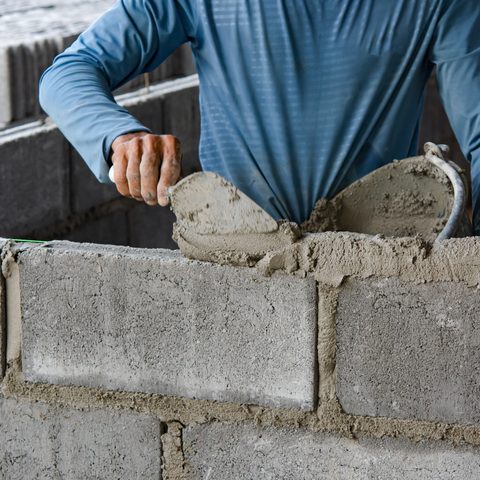
Old mortar is raked out to a set depth and new mortar is packed in and tooled to look like the joints around it. This is called repointing, and it is the most common repair on older walls.
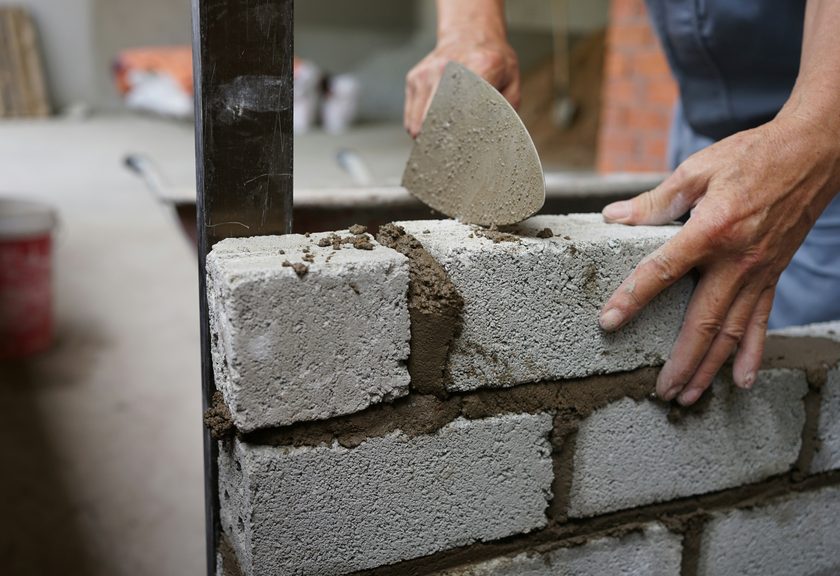
A cracked or spalled block is cut out and a new one is set in its place. Where the wall has steel and grout in that cell, the cell is regrouted so the new block ties into the wall.
Loose caps are lifted, cleaned and reset on fresh mortar. Missing or broken ones are replaced with the closest match available.
The thicker columns along a wall and the corners where two walls meet take the most stress. Damage there is rebuilt course by course.
A car, a trailer or a falling limb can knock out a section. The loose block is taken down to sound work and rebuilt, and the footing is checked for cracks before new block goes on it.
A simple test is to mark the ends of a crack with a pencil and the date. If it grows past the marks over a few months, the wall is still moving, and that changes the repair.
Water is the main suspect. A sprinkler head aimed at the wall, a drip line running along the base, or yard flooding in neighborhoods that still irrigate that way can keep the soil under one stretch of footing wet. Ground that swells and shrinks with water moves the wall above it.
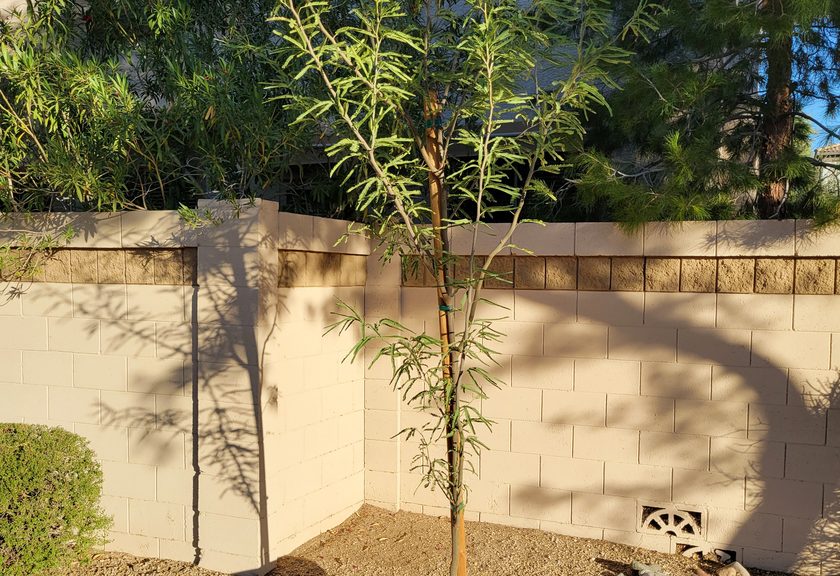
Roots come next. A tree planted close to the wall pushes on the footing as it grows. Heat is a smaller factor: block and mortar expand and contract with the daily swing, and long walls without enough control joints relieve that stress by cracking.
Age covers the rest. Mortar wears away at the surface, caps loosen, and paint traps moisture in the block.
The work starts by finding the edge of the damage. Loose mortar and cracked block are removed back to sound material. If the cause is water or roots, that gets dealt with before rebuilding: a water source redirected, a root cut back, a low spot regraded so water runs away from the wall.
New block is laid in mortar to the line of the old courses. Cells that carried steel are grouted again. Joints are tooled to suit the old ones, caps go back on, and the repair is left to cure.
Finishing comes last. Stucco is textured to suit the wall and paint is matched as closely as possible. If a section is too far gone to patch, rebuilding it is covered on the new block wall page.


The size of the job sets most of the price of cinder block wall repair, and a free look at the wall is how that gets measured. Things that move the figure:
If there is more than one problem in the yard, point them all out on the same visit. Call 602-848-8239 to set one up.
Repair makes sense when the damage is local and the footing is sound: a cracked panel between two pilasters, a few broken caps, a corner a car hit. The wall around it is in good shape and stays.
Rebuilding becomes the better answer when a long stretch is cracked in several places, when the footing has dropped or broken, or when earlier patches have failed one after another. Then the section comes down to the footing, or the footing itself is replaced.
When the choice is not clear, ask for both options to be priced and compare them side by side.
In everyday talk, yes. Older blocks were sometimes made with cinders in the mix, and the name stuck. Most walls in Phoenix yards are concrete masonry units, and they are repaired the same way.
A sealant can keep water out of a hairline crack for a while, but it does nothing about why the crack formed, and it rarely blends in. Cracks that keep growing, or run through the block itself, need the cause looked at first.
Not always. If the replacement block is a close match and the wall is bare, it can be left. Most painted or stuccoed walls are refinished over the repair so the patch blends in as closely as the finish allows.
Want the wall looked at? Call 602-848-8239 or use the form to set up a free visit.
Every service is summed up on the home page, and the contact page has our number and a short form.