Block Wall Installation in Phoenix, AZ

Click to Call602-848-8239

Block Wall Installation for Phoenix Homes
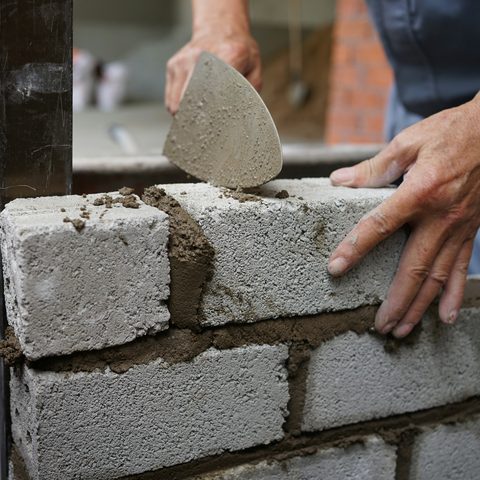
Mason pressing a gray block into place beside a fresh mortar joint, trowel in hand

A new wall can close off a side yard, give a backyard more privacy, keep a dog in, or replace an old wood or chain-link fence. Phoenix Block Wall Repair Co. handles block wall installation for homeowners across Phoenix, along with extensions, added height and gate openings in walls that are already standing.

Block wall installation follows a familiar order: layout, footing, block, steel and grout, cap and finish. The details change with the lot, the soil and what the wall needs to do.

Have buried lines marked before any digging starts, and know where your own sprinkler and drip lines run, since a trench along the property line often crosses them.

Replacing a section that fell or leans? The leaning wall page covers that side of the work.

Call 602-848-8239 or send the form with a rough length and where the wall would go.

Free New Wall Quote

Free quote. No obligation.
What do you need?

What Block Wall Installation Covers


New walls

A full run along a property line, a side-yard wall between the house and the lot line, or a short wall to screen pool equipment or trash bins.

Extensions

Lengthening an existing wall to close a gap or meet a new gate. The new section is tied into the old one and finished to blend with the old wall as closely as the block allows.

Added height

Extra courses on top of an existing wall, where the footing and steel below can carry them.

Gate openings

An opening cut into a wall for a pedestrian gate or a wider vehicle gate, with the ends rebuilt and filled.

Fence replacement

Swapping a tired wood or chain-link fence for block, often reusing the same line.

How a New Block Wall Goes Up


The line is staked and checked against the lot, and the trench for the footing is dug. Caliche, the hard cemented layer common in southern Arizona soils, can make that digging slow in places.

Concrete is poured for the footing, usually with steel bars set to rise up into the wall. Once it has set, the first course is laid in mortar and checked for level, and the wall rises course by course to a string line.

Cells that carry steel are filled with grout as the wall goes up. Pilasters or control joints are placed along long runs, and a cap course finishes the top. Paint or stucco follows once the masonry has cured.

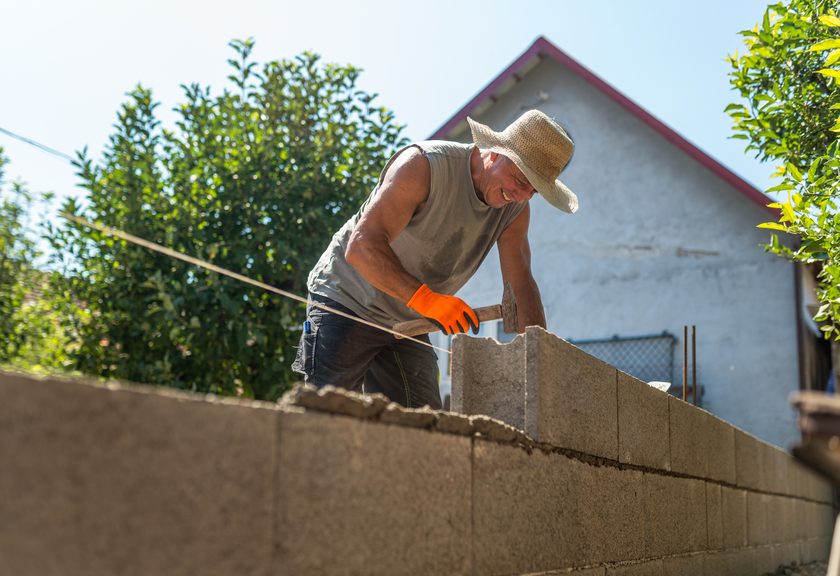
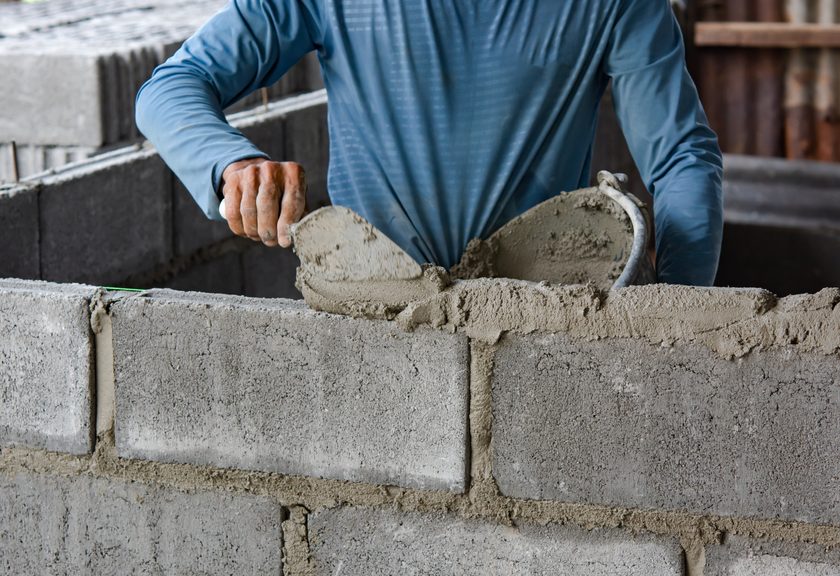
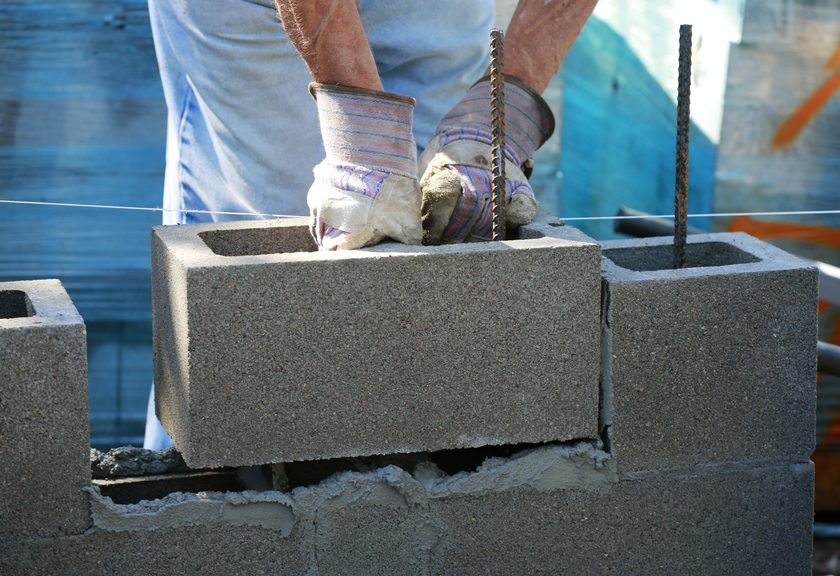
Gloved hands lowering a hollow concrete block over an upright steel barMason in a straw hat and orange gloves setting a block on the top course of a gray wall, a string line stretched along itMason spreading mortar from a trowel along the top of a gray block wall

Raising a Wall or Adding a Gate


Adding height is one of the most common requests, usually for privacy from a two-story house next door. Whether a wall can take it depends on its footing and on whether the cells have steel that can be extended. A wall without them may need a new section rather than extra courses.

Cutting a gate opening changes how a wall carries its weight. The block at each side of the opening is rebuilt as a finished end, the cells are filled, and posts or hinge plates are set where the gate needs them.

A vehicle gate also needs room to swing or slide, a level path across the opening and somewhere for the gate to sit when it is open, so measure the driveway side before settling on a width.

Choosing Block, Caps and a Finish


If the new wall meets an old one, the match matters more than the choice. Bring it up at the visit.

Think about the house as well. A wall that picks up the stucco texture or trim color of the home tends to look as if it was always there, while a bare block wall in a contrasting color reads as a separate feature. Either can work; it comes down to the look you want from the patio and from the street.

What Goes Into the Cost of Block Wall Installation


Most of the figure for block wall installation comes from the length and height of the run, and the rest from the site itself. A free visit gives you the number. What shapes it:

For an exact number, call 602-848-8239 and we will come and measure.

Before Work Starts on a New Wall


For walls that hold back soil, see the retaining wall page. For repairs to an existing wall, see cinder block wall repair.

Questions About New Block Walls


Can my existing wall be made taller?

Sometimes. It depends on the footing under the wall and the steel inside it, which are checked before anything is added. How tall a wall can go on your lot is a question for the City of Phoenix and, if you have one, your HOA.

Can a gate opening be cut into a block wall?

Usually, yes. The opening is cut, the ends are rebuilt so the block finishes cleanly, and the cells at the ends are filled to carry the gate posts or hinges. Mention the gate width you want at the visit.

Should a new wall be painted or stuccoed?

That is mostly a matter of taste and of how the wall sits beside the house. Colored or split-face block can be left bare. Stucco and paint give a smoother look and can match the house.

Planning a new wall? Call 602-848-8239 or use the form, and we will set up a free visit.

Other Wall Work We Handle Around Phoenix


Every service is summed up on the home page, and the contact page has our number and a short form.

Click to Call602-848-8239
Click to Call: 602-848-8239