Retaining Wall Repair in Phoenix, AZ

Click to Call602-848-8239

Retaining Wall Repair for Sloped and Terraced Yards
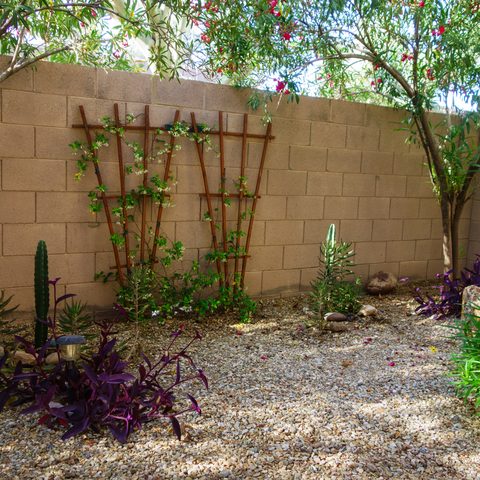
Tan block wall behind a gravel garden with wooden trellises, cactus and purple-leaved plants

Retaining walls do a harder job than the walls around a backyard. They hold back soil, and the water in it, every day. Phoenix Block Wall Repair Co. handles retaining wall repair and new retaining walls for homeowners across Phoenix, from a short planter wall to a block wall holding up the high side of a lot.

Retaining wall repair starts with the water. Most failing walls are being pushed by soil that stays wet behind them, and fixing the block without fixing the drainage only buys time.

We come out, look at the wall, the slope above it and the way water reaches it, and give you a free quote.

A wall with soil at the same level on both sides is a screen wall. For those, see cinder block wall repair or leaning walls.

Call 602-848-8239 or send the form with a note about how high the soil sits behind the wall.

Free Retaining Wall Quote

Free quote. No obligation.
What do you need?

Where Retaining Walls Show Up Around Phoenix


Most of Phoenix is flat, so retaining walls tend to cluster where it is not. Ahwatukee sits beside South Mountain Park, and some of its lots closer to the mountain are sloped. Streets along the edges of the city’s mountain preserves can have the same kind of grade.

Flat lots have them too. A yard dug down for a pool, a patio cut into a rise, a raised garden bed, or a lot that sits higher than the one next door all need a wall to hold the soil in place.

Some retaining walls began life as ordinary garden walls and became retaining walls when soil or gravel was piled against one side over the years.

Signs a Retaining Wall Is Struggling


Any of these is worth an inspection. The earlier a retaining wall is looked at, the more repair options remain.

Water Behind the Wall


Soil pushes harder when it is wet. A retaining wall is generally built with a way for water to escape: gravel behind the block, a perforated drain at the base, and weep holes through the face. When those clog, the wall takes the full weight of saturated soil.

Caliche plays a part too. According to the University of Arizona Cooperative Extension, a tight caliche layer can stop water from soaking in, so it collects above that layer. Behind a wall, that means water sitting where it does the most harm.

Monsoon rain, sprinklers on the high side, and flood irrigation in neighborhoods that still use it all add water. Redirecting it is often part of retaining wall repair.

Retaining Wall Repair Options


Clearing and restoring drainage

Weep holes are opened, and where the gravel or drain behind the wall has silted up, a section may be dug out and redone. Water sources on the high side are moved or controlled.

Repairing cracked block and joints

Where the wall has not moved, cracked joints are repointed and broken block is replaced, much as on any block wall.

Rebuilding a failed section

A section that has bulged or tilted is usually taken down, the soil behind it excavated, and the wall rebuilt on a sound footing with steel, grout and proper drainage behind it.

Replacing the wall

When the whole wall is failing, a new one is built in its place. The new block wall page covers how block walls go up in general.

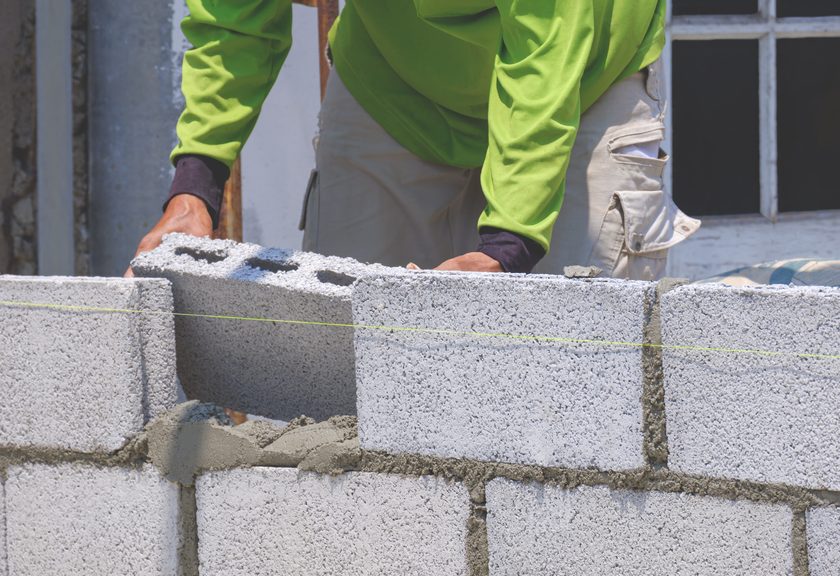
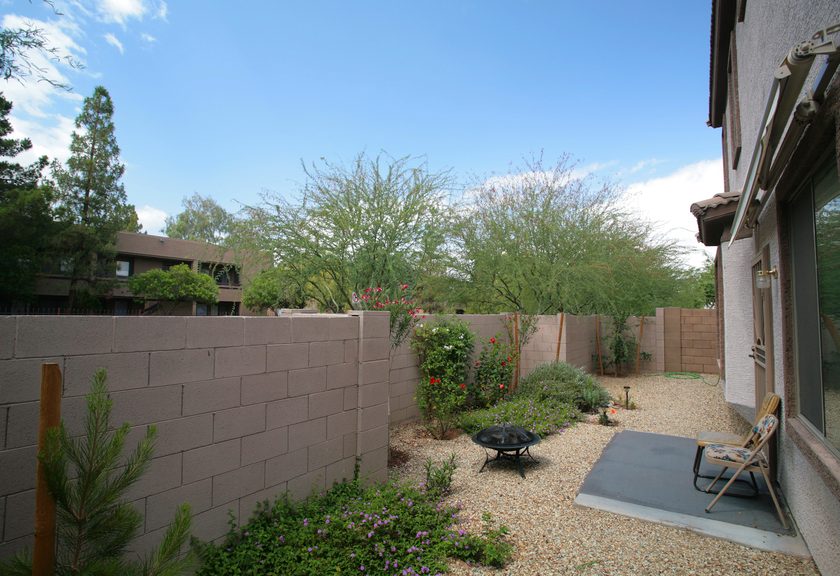
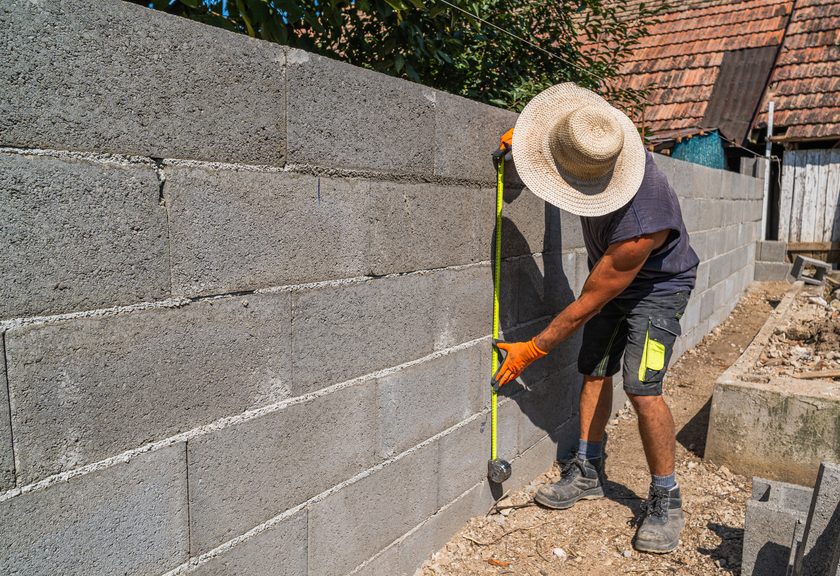
Worker in a straw hat holding a tape measure against a new gray block wallMason setting a hollow gray block into a new course, with a string line running along the wallGravel backyard closed in by block walls, with flowering shrubs, a fire pit and a small patio

What Drives the Cost of Retaining Wall Repair


With retaining wall repair, the soil behind the wall matters as much as the wall itself, so the price follows both. The visit and the quote are free. The factors that weigh most:

Call 602-848-8239 and we will come out to look at the wall and the ground around it.

Garden Walls Versus Walls That Hold Soil


A screen wall and a retaining wall can look identical from the yard. The difference is what is behind them. A wall built only to divide two yards has a footing and steel sized for wind and its own weight, not for soil leaning on it.

If you plan to raise the grade on one side of an existing wall, for a planter or a level patio, talk it through before the soil goes in. It may need a separate retaining wall in front of it.

Taller retaining walls and those near a pool or a structure may involve an engineer and a city submittal. Ask the City of Phoenix what applies before work starts. For a screen wall that is tipping, see the leaning wall page.

Questions About Retaining Walls


What are the small holes along the bottom of my retaining wall?

Those are weep holes. They let water that collects behind the wall drain out. If they are blocked with soil or rock, water pressure builds up behind the wall, so keeping them clear is worth the effort.

Is my garden wall a retaining wall?

If soil is higher on one side than the other, the wall is holding it back and working as a retaining wall, even if it was built as a screen wall. That matters, because a screen wall is not designed to carry that load.

Does a retaining wall need an engineer?

Taller walls and walls that hold up a driveway, a pool or a building often do. Ask the City of Phoenix Planning and Development Department what applies to yours before a new wall goes in or a failed one is rebuilt.

Is a retaining wall bowing in your yard? Call 602-848-8239 or use the form for a free visit.

Other Wall Work We Handle Around Phoenix


Every service is summed up on the home page, and the contact page has our number and a short form.

Click to Call602-848-8239
Click to Call: 602-848-8239